Simple Tips to Improve Indoor Air Quality

Ways to Improve Air Quality and Breathe Easier This Spring

While many residents focus on the thermostat and home temperature to ensure seasonal comfort, the air circulating in the home also affects overall health and comfort. Indoor air pollution is a frequently neglected hazard that can diminish a family’s quality of life by triggering respiratory sensitivities and persistent fatigue. Achieving a truly healthy home environment requires moving beyond temperature control and prioritizing the removal of contaminants.

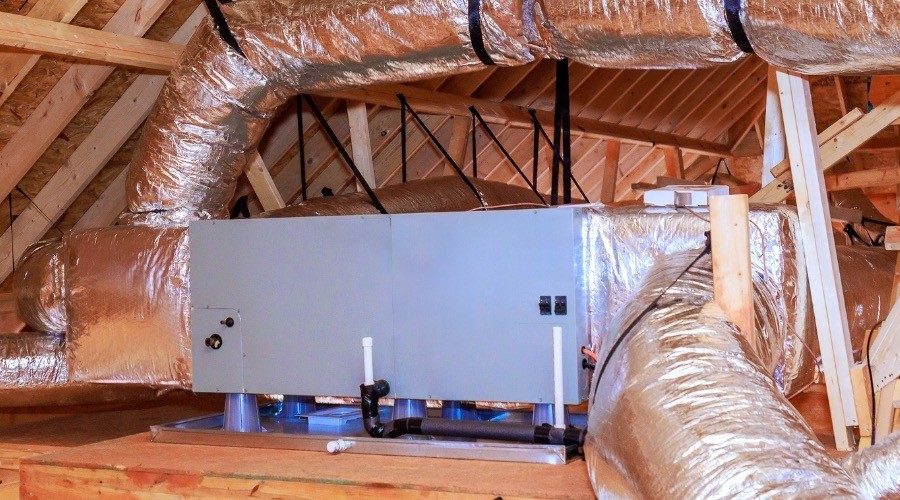
Fortunately, homeowners can take a proactive stance by implementing a heating and air conditioning maintenance schedule and integrating modern purification technologies where standard filtration falls short. This guide outlines professional approaches to improving indoor air quality, leading to a safer indoor environment.

Maintenance and Air Filter Replacement

air filter replacementRegular air filter replacement is perhaps the most straightforward way to improve a home’s indoor air quality. When changed at least every 90 days, or more frequently in households with pets or allergy sufferers, they effectively trap particulates like pollen and dust before they can be redistributed. This simple habit does more than just clean the air; it also preserves the mechanical integrity of the furnace and air conditioner. By reducing the physical strain caused by restricted airflow, timely air filter changes lead to enhanced energy efficiency, a notable reduction in monthly utility bills, and better longevity for heating and cooling equipment.

Furthermore, a comprehensive strategy for better indoor air quality and health must include professional oversight. Scheduling annual heating and AC maintenance and inspections ensures that they are functioning at peak performance. During these visits, specialized technicians can perform important tasks to prevent problems and identify emerging mechanical issues that might otherwise compromise air purity. Investing in this preventive care not only stabilizes the indoor climate but also improves efficiency, lowers energy bills, and extends the lifespan of the heater and air conditioner, preventing the financial burden of sudden system failures.

Humidity Control

high humidityThe relationship between moisture and air quality is a delicate balance. The ideal humidity level for a home should be maintained between 30% and 50%. When the air becomes excessively dry, it often leads to physical discomfort, such as parched respiratory passages and a heightened susceptibility to viral infections. On the other end of the spectrum, excessive moisture acts as a catalyst for biological growth. High humidity levels invite the proliferation of dust mites and mold, both of which can severely degrade the safety of the indoor environment. By keeping moisture levels within the recommended window, homeowners can effectively neutralize these threats and breathe easier indoors.

Managing this balance often requires integrated hardware solutions. In regions where winter air becomes thin and dry, a humidifier can introduce necessary moisture to protect the skin and airways. Conversely, if a home suffers from a “heavy” or damp atmosphere, a whole-house dehumidifier installation is an essential tool for preventing the structural and health risks associated with mold and mildew. Consulting with an expert ensures that these additions are properly tailored to the specific needs of the residence.

Install an Air Cleaner, Air Purifier, or Air Filtration System

In many cases, standard filtration is insufficient for addressing the full spectrum of indoor pollutants. For environments where humidity is balanced but air purity remains a concern, advanced air purification technologies offer a robust solution. These systems are specifically designed to target the microscopic particles that pass through conventional air filters, including volatile organic compounds (VOCs) and ultra-fine smoke particles.

The integration of high-performance air cleaners provides a significant shield for residents, particularly those managing chronic conditions like allergies or asthma. By actively scrubbing the air of invisible triggers, these systems foster a healthier environment. Because the market offers a diverse array of air cleaners, filtration, and purification methods, ranging from HEPA filtration to UV air sanitizers, it is highly recommended to seek a professional assessment. A qualified specialist can diagnose specific air-quality issues and install a customized system that provides the most comprehensive protection for the household.

About Triple A Air Conditioning & Heating

Triple A Air Conditioning & Heating is a local, family-owned heating and air conditioning company serving the Corpus Christi community. They provide prompt responses, no-surprise pricing, and free estimates. Call for indoor air quality services in Corpus Christi, TX.

Distribution Links +

Simple Maintenance Tips for AC and Furnace Air Filters

AC and Furnace Filters Explained

Air filters look simple, but they are essential to the performance and safety of any forced air heating and cooling system. The right AC filter or furnace filter helps protect equipment from dust and debris while also supporting better indoor air quality for everyone inside the building. When filters are sized correctly and changed on schedule, systems move air more easily, use less energy, and experience fewer breakdowns. This overview answers three common questions about filters in central systems, covering how they work, how often air filter replacement should happen, and the key benefits regular maintenance delivers over time.

What Do Air Filters Do?

Every time the blower fan cycles on, air passes through an air filter before moving across the coil and back through the supply vents. The filter traps dust, lint, pet dander, pollen, and other particles that would otherwise settle inside ductwork or on sensitive components. A clean AC filter or furnace filter keeps coils and motors cleaner, which allows them to operate closer to design conditions. Filtration also helps reduce airborne irritants that aggravate allergies and respiratory issues, providing a basic but important boost to indoor air quality. Without a functioning filter, debris quickly builds up, airflow drops, and equipment may struggle to keep rooms at a comfortable temperature.

How Often Should They Be Replaced?

filter Most standard filters need attention at least every three months, and many homes benefit from even more frequent air filter replacement. A quick visual check is helpful; if a filter looks gray, clogged, or warped, it is likely time for a new one. Households with pets, smokers, or occupants with asthma and other breathing concerns often schedule AC filter replacement or furnace filter replacement every one or two months to keep dust and allergens under better control. Any time renovation work or heavy cleaning stirs up extra debris, installing a fresh filter afterward can also protect equipment from an overload of fine particles.

What Are the Benefits of Routine Air Filter Replacement?

air quality Staying consistent with air filter replacement offers several advantages that add up over the life of a system. A clean AC filter or furnace filter allows air to move more freely, which helps equipment maintain comfort with less effort and supports better efficiency. That reduced strain can lower utility costs and decrease wear on motors and other moving parts. Regular changes also support improved indoor air quality by reducing the amount of dust and allergens that recirculate through living spaces. Over time, cleaner components and steadier airflow help extend equipment lifespan and cut down on unexpected repair visits that stem from operating with a dirty air filter for too long.

About Triple A Air Conditioning & Heating

Triple A Air Conditioning & Heating is a BBB-accredited heating, cooling, and indoor air quality company providing expert services to communities in Corpus Christi and the surrounding areas. They offer free estimates and prompt, responsive service from a friendly, honest team. Call them today for air filter replacements in Corpus Christi, TX.

A Straightforward Guide to UV Air Sanitizers

Why Get a UV Air Sanitizer Installation?

Maintaining a healthy home environment involves more than just controlling the temperature; it requires addressing the invisible particles circulating through the vents. A professional UV air sanitizer installation serves as a proactive defense against microscopic threats that standard filtration often misses. By integrating this technology directly into a central HVAC system, homeowners ensure that air is treated as it cycles, providing a consistent layer of protection for every room in the house.

What Is a UV Air Sanitizer?

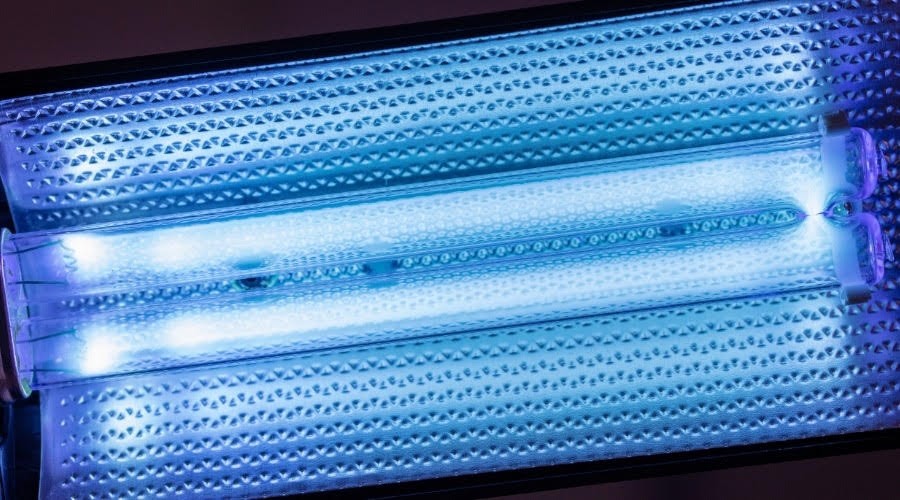
A UV air sanitizer is a specialized purification device that uses ultraviolet light to neutralize airborne pathogens. When added to a home’s heating and air conditioning system, it is typically installed within the ductwork or near the evaporator coil. As air circulates through the HVAC unit, it passes under a high-intensity UV light. This light is tuned to a specific germicidal wavelength that disrupts the DNA and RNA of organic matter. By rendering these microorganisms unable to function or reproduce, the UV sanitizer effectively cleanses the air before it is pushed back into the living spaces.

Benefits of Installing a UV Air Sanitizer

air quality The primary advantage of adding a UV air sanitizer to a home’s heating and air conditioning system is the immediate improvement in indoor air quality. Because the system targets biological contaminants that filters might not catch, it provides much cleaner air with significantly fewer allergens. This reduction in airborne triggers often leads to noticeable health benefits, particularly for those whose immune systems are sensitive to environmental pollutants.

Beyond health, a UV sanitizer can help the heater and air conditioner work more efficiently. By keeping the internal coils free of organic buildup, the UV light ensures optimal heat transfer. A cleaner system does not have to work as hard to reach the desired temperature, which can lead to measurable savings on monthly utility costs and reduced mechanical strain on the equipment.

Signs a UV Air Sanitizer Is Needed

mold There are several situations where a household would benefit greatly from this technology. If individuals in the home experience frequent allergy or asthma symptoms or struggle with other chronic respiratory conditions, the sanitizer can help create a more breathable environment. Similarly, if family members seem to catch colds or become sick often, the system can help reduce the concentration of germs in the shared air supply.

Homeowners dealing with a recurring mold problem may also find relief with this installation. While a UV air sanitizer is highly effective at destroying mold spores and other microorganisms as they pass through the HVAC system, it is important to note that the light does not address the root cause of growth, such as water leaks or high humidity. However, by clearing the air of these spores, the device prevents them from colonizing other areas, providing a vital tool for managing an allergy-prone or damp environment.

About Triple A Air Conditioning & Heating

Triple A Air Conditioning & Heating delivers elite HVAC solutions to the Corpus Christi community through a team of fully certified technicians. Dedicated to transparent service, the company offers no-surprise pricing and the peace of mind that comes with industry-leading 10-year parts and labor warranties. This commitment to excellence has earned them a 4.9 Google rating, ensuring every neighbor receives five-star comfort and dependable care for all their indoor air quality needs. For expert UV air sanitizers in Corpus Christi, TX, reach out to the team today!

Distribution Links +

The Benefits of Air Conditioning Maintenance

Maintain the Air Conditioner This Spring to Prepare It for Summer

Scheduling professional service before the South Texas heat peaks ensures a system is prepared for the season’s rigorous demands. Springtime is the ideal window for air conditioner maintenance, allowing for component calibration and clearing debris accumulated during the off-season. By addressing the unit’s needs early, the transition into the high-temperature months occurs without the risk of a sudden system failure when the outdoor air becomes most oppressive.

Energy Efficiency

save money Comprehensive AC maintenance significantly improves the energy efficiency of the cooling system. Over time, dust and grime collect on internal components, forcing the motor to work harder to circulate air. During a professional tune-up, cleaning the condenser coils and replacing saturated filters restores optimal airflow and heat transfer.

This heightened efficiency leads directly to lower energy bills. Because the unit does not have to run as long to achieve the desired temperature, it consumes less electricity. Performing this maintenance in the spring is particularly beneficial in coastal environments, as it helps lock in lower operating costs just before the air conditioner works hardest to combat high humidity and heat.

More Reliable With Fewer Repairs

hvac Investing in air conditioning maintenance during the spring leads to more reliable cooling performance when it is needed most. A significant portion of air conditioner repair calls in the summer result from small, neglected issues that escalate under heavy workloads. During a maintenance visit, a specialist can identify worn-out capacitors, frayed wiring, or refrigerant imbalances before they cause a total breakdown.

Catching these minor discrepancies early results in fewer mid-season interruptions and substantial savings on air conditioning repair costs. A well-maintained unit operates with a much lower risk of emergency failure, assuring that the home remains a sanctuary even during the most intense heatwaves.

Longer Lifespan

Routine air conditioner maintenance is the most effective way to extend the equipment’s operational lifespan. HVAC systems represent significant investments, and constant strain from dirty components or mechanical friction can lead to the premature failure of the compressor or fan motor. By ensuring that every part of the system is lubricated, cleaned, and balanced, the overall wear and tear is drastically reduced.

This proactive care helps prevent the need for an early AC replacement. While every unit eventually reaches the end of its service life, consistent upkeep ensures the system has as many years of service as possible, delaying the high costs associated with a full air conditioning replacement.

About Triple A Air Conditioning & Heating

Triple A Air Conditioning & Heating is a family-owned HVAC company serving Corpus Christi and the surrounding areas. With certified technicians and a commitment to honest service, they provide reliable repairs, installations, and maintenance—delivering comfort, clear communication, and long-term customer satisfaction. Call them today for AC repair and maintenance services in Corpus Christi, TX

Distribution Links +

The Importance of Installing a Whole-House Dehumidifier

Advantages of a Dehumidifier Installation and Signs It’s Needed

Few factors affect comfort, health, and the preservation of a home as much as indoor humidity levels. If homeowners notice signs of high indoor humidity, it’s a clear signal that a dehumidifier installation is needed. This post discusses the importance of maintaining an ideal indoor humidity level, signs to install a dehumidifier, and the benefits of a whole-house dehumidifier installation.

Why Does Humidity Level Matter?

Maintaining the ideal humidity level in the home is crucial for both comfort and health. The ideal indoor humidity level in homes should consistently remain between 30% and 50%. When humidity rises above this range, the air becomes thick and clammy, making rooms feel warmer than they are and inviting the growth of mold, mildew, and dust mites. Conversely, when humidity drops below 30%, the air becomes dry, leading to physical discomfort such as dry skin, irritated sinuses, and sore throats, and causing damage to wood furnishings, floors, and paint by shrinking and cracking them. Striking this balance is fundamental to creating a healthy and pleasant indoor environment.

Keeping the home within the 30% to 50% humidity sweet spot offers a host of benefits that extend beyond simple comfort. At this ideal level, the air feels fresher, breathing is easier, and the body can regulate temperature more effectively, potentially lowering energy costs. Crucially, optimal humidity levels inhibit the proliferation of allergens and pathogens, safeguarding respiratory health. Furthermore, maintaining this balance protects the home by preventing moisture damage to building materials and by preserving the lifespan of valuable items such as wooden instruments, artwork, and furniture. 

Signs a Dehumidifier Installation Is Needed

humiditySeveral common indicators point to an unacceptably high indoor humidity level, making a dehumidifier installation necessary. Visually, watch for persistent condensation on windows, glass doors, and even cold water pipes, which indicates that excess moisture is condensing from the warm, humid air. Also, pay close attention to comfort, as the air may feel clammy, heavy, or sticky, especially in basements or lower levels due to high indoor humidity. Furthermore, if people notice paint peeling, wallpaper blistering, or wood surfaces feeling perpetually damp, these are warnings that excessive moisture is penetrating and damaging building materials.

A serious sign of high humidity often involves microbial growth and pervasive odors. A musty, stale smell that lingers, particularly upon entering a room, is a strong indication of hidden mold or mildew. Inspect areas like shower corners, window sills, and any stored items for visible spots of black, green, or white mold, which thrive in high-humidity conditions. If allergy symptoms, such as sneezing, coughing, or eye irritation, seem worse indoors, it could be a reaction to increased levels of mold spores or dust mites, both of which flourish when indoor humidity is poorly managed. Addressing these issues with a whole-home dehumidifier is crucial for protecting property and respiratory health.

Benefits of Installing a Dehumidifier

mold Installing a dehumidifier provides several benefits for the household. By effectively extracting excess moisture from the air, it makes the indoor environment feel immediately cooler, less sticky, and less uncomfortable, even without lowering the thermostat, which can contribute to noticeable energy savings. Additionally, maintaining the recommended humidity level between 30% and 50% significantly deters the growth of mold, mildew, and dust mites. This preventative measure also safeguards the home’s structural integrity by protecting wood, drywall, and paint from moisture damage, and eliminates the pervasive musty odors that are a telltale sign of hidden fungal growth, ensuring living spaces smell fresh and clean.

Beyond structural preservation and comfort, a whole-house dehumidifier plays a vital role in protecting the respiratory health of household members. High humidity levels are a primary catalyst for the proliferation of common indoor allergens, including mold spores and dust mites, which thrive in moist conditions above 60%. By actively controlling these moisture levels, a dehumidifier substantially reduces the population of these irritants, leading to a noticeable reduction in allergy symptoms, asthma flare-ups, and general respiratory discomfort. This proactive approach to air quality management is particularly beneficial for individuals with sensitivities, transforming a formerly damp, allergen-rich environment into a truly healthy and breathable space with better indoor air quality.

About Triple A Air Conditioning & Heating

Triple A Air Conditioning & Heating is a local, family-owned company that has been serving Corpus Christi and the surrounding areas for over 40 years. They provide straightforward pricing, free estimates, and an honest, respectful team. Call them for whole-home dehumidifier installation in Corpus Christi, TX

Distribution Links +

Why Upgrade to Smart Thermostats?

Smart Thermostats and Their Benefits Explained

If a home’s climate control relies on an old-fashioned manual thermostat, homeowners miss out on substantial cost savings and superior control of their indoor environment. Smart thermostats have surged in popularity, offering unparalleled convenience through Wi-Fi connectivity, detailed insights, and improved energy efficiency. This post will clarify what a smart thermostat is and what distinguishes it from other models, the advantages of installing one, and key indicators that a current thermostat is ready for replacement.

What Is a Smart Thermostat?

A smart thermostat is a device connected to the internet that manages the home’s heating, ventilation, and air conditioning (HVAC) equipment. Unlike basic manual thermostats, which don’t have any automatic settings and must be manually set, or programmable thermostat models that operate on schedules so the settings don’t have to be changed by hand, a smart thermostat is the most advanced, with more features and automation. 

These advanced features include remote operation via a mobile app, seamless integration with voice-activated platforms (such as Google Assistant or Amazon Alexa), and the ability to adapt to the routines, with features like geofencing that track when departing and returning home, allowing the temperature settings to be automatically adjusted for savings but changed back for comfort before returning home. A smart thermostat offers many more desirable features than other thermostat models and allows for greater control from any location via Wi-Fi. This adaptability enables it to react to current needs, greatly increasing its potential for energy savings, optimized comfort, and ease of use.

Benefits of Smart Thermostat Installation

save money The most significant upside of upgrading to a smart thermostat is the potential to reduce energy consumption and lower monthly utility expenses. These devices can automatically adjust temperatures based on daily habits and personal preferences and include advanced options like vacation mode and geofencing to minimize heating and cooling waste when the house is unoccupied. Geofencing uses location-based technology to detect when residents leave or return, allowing the temperature to be adjusted for energy savings and then re-adjusted for comfort upon arrival home.

Beyond the financial benefits, smart thermostats dramatically improve convenience and comfort. Users can modify thermostat settings remotely via a smartphone app, ensuring a perfect temperature upon arrival home. Furthermore, many models offer helpful system diagnostics and alerts that can flag potential operational problems, promoting the longevity and peak performance of the system.

Signs to Replace a Thermostat

thermostatSeveral warning signs can indicate the need for a thermostat replacement, enabling the installation of a new one. One common sign is inaccurate temperature readings, which can cause the house to fail to reach the temperature set on the thermostat, or an AC or heating unit to cycle rapidly (short cycling) or run continuously for excessive durations. Other warning signs are a completely dark or unresponsive screen, inexplicably high energy bills, or simply a very old, obsolete unit. 

An outdated or defective thermostat can struggle to communicate accurately with the heating and cooling system, resulting in inefficient operation and uneven temperature regulation throughout the property. But ignoring a malfunctioning thermostat can lead to serious complications beyond discomfort and reduced energy efficiency. Faulty temperature readings can force the system to overwork, leading to significantly inflated utility costs. Over time, this constant stress accelerates wear and tear on components, potentially resulting in expensive system failures and the need for costly repairs or even premature system replacement. Replacing an aging or broken thermostat is a critical, proactive measure to safeguard the entire investment in heating and air conditioning.

About Triple A Air Conditioning & Heating

Triple A Air Conditioning & Heating has been providing trusted heating and air conditioning services to the Corpus Christi community since 1983. They offer straightforward pricing, prompt response, and a beneficial maintenance membership program. Call them for smart thermostat installation in Corpus Christi, TX

The Importance of Regular Duct Cleaning

The Benefits of Air Duct Cleaning

The ductwork is the circulatory system of the home’s air, constantly moving cooled or heated air throughout every room. Over time, however, these hidden passageways can accumulate a significant amount of dust, debris, allergens, and contaminants. Professional air duct cleaning is not just a cosmetic service but a step toward maintaining a healthy, efficient, and comfortable home environment. This post discusses the potential benefits of regular air duct cleaning, including improved air quality and greater energy efficiency.

Improves Indoor Air Quality and Reduces Allergens

air quality Professional air duct cleaning is a crucial step in maintaining a healthy home environment. Over time, the ductwork can become a repository for dust, dirt, pet dander, mold spores, and other microscopic contaminants. When the heating and air conditioning system runs, these pollutants are circulated throughout the home. A thorough, professional cleaning removes this buildup, significantly reducing the concentration of airborne irritants. 

This improvement in indoor air quality is especially beneficial for children, the elderly, and anyone suffering from allergies, asthma, or other respiratory conditions. By eliminating these hidden allergens and toxins, air duct cleaning directly protects the health and well-being of the home’s residents, allowing everyone to breathe easier and enjoy a cleaner living space.

Improves Energy Efficiency

save money The accumulation of debris and contaminants in the air ducts doesn’t just affect air quality; it can also impair the performance of the heating and cooling system. Layers of dust and grime create friction and blockages, impeding the smooth, unobstructed flow of air. When airflow is restricted, the system has to work harder and run longer to achieve the desired temperature, consuming excess energy in the process. 

By removing this accumulated debris, professional ductwork cleaning restores optimal airflow, allowing the system to operate more efficiently, with less temperature inconsistencies and requiring less energy to heat or cool the home, which directly translates into lower monthly energy bills.

Reduces the Likelihood of Future Repairs and Helps the System’s Lifespan

During air duct maintenance and cleaning, a technician inspects the ductwork. This critical step allows them to spot and address minor issues that might otherwise go unnoticed, such as small air leaks, loose connections, or the beginning signs of mold growth or pest infestation. Catching these problems early and performing timely fixes helps prevent them from escalating into a more extensive, costly air duct repair down the line. 

Furthermore, when an AC or heating system is inefficient due to dirty air ducts, the added strain on its components can shorten its overall lifespan. Regular duct cleaning helps keep the system running efficiently, reducing wear and tear on essential parts. Maintaining peak performance and proactively addressing potential issues can help prolong the system’s service life.

About Triple A Air Conditioning & Heating

Triple A Air Conditioning & Heating is a local, family-owned company serving the Corpus Christi area since 1983. They provide straightforward pricing, prompt response, and free estimates. Call them for air duct cleaning services in Corpus Christi, TX

Distribution Links +

Benefits of Installing a Heat Pump

Why a Heat Pump Installation Is Advantageous

The quest for a comfortable home but with lower energy bills often leads homeowners to explore modern heating and air conditioning solutions. One option that can handle both the hot summers and the chilly winters efficiently is a heat pump installation. This post will discuss the advantages of installing a heat pump, including energy efficiency and year-round comfort.

Energy Efficiency and Cost Savings

save money Heat pumps are significantly more energy-efficient than traditional heaters like furnaces and air conditioners because they move heat rather than generate it. This change in operation allows them to deliver comfort using substantially less electricity. 

The primary benefit of the improved energy efficiency that heat pump systems provide is a reduction in monthly utility expenses, saving homeowners money over time. Additionally, being able to both heat and cool allows heat pump systems to be installed rather than requiring separate heater and air conditioner installations and the costs associated with them. 

Dual Functionality: Heating and Cooling 

Unlike separate heaters and air conditioners, a heat pump system can provide year-round climate control for a home. Having one system simplifies maintenance, requiring only routine checks on a single system rather than separate ones for heating and cooling. 

In the winter, the heat pump extracts heat from the outdoors even in cold temperatures and delivers it indoors. In the summer, the process reverses, and it extracts heat from inside the home and transfers it outdoors, effectively cooling the space. The most common type of heat pump is the air-source heat pump, which transfers heat between the indoor air and outdoor air. 

Heat pumps are known for providing consistent heating and cooling, avoiding the hot and cold spots often associated with forced-air furnaces. They operate quietly and maintain a steady temperature, helping with overall indoor comfort.

Various Options

acHeat pump systems offer flexibility in installation and operation, available in several types to suit various home structures and needs. The most common type is the air-source heat pump, which transfers heat between the air inside and the air outside the home. However, other variations exist, such as geothermal heat pumps, which use the stable temperature of the earth to achieve even greater efficiency.

Heat pump systems can also adapt to a home’s air distribution infrastructure by being either ducted or ductless. For homes with existing ductwork, a ducted heat pump can seamlessly integrate, using the ducts to distribute heated or cooled air throughout the house. However, a ductless heat pump provides an ideal solution for homes without existing ductwork, without the space to add ducts, or for additions or spaces that can’t connect to existing ductwork, delivering precise heating and cooling directly to individual areas or zones.

About Triple A Air Conditioning & Heating

Triple A Air Conditioning & Heating has been providing heating and air conditioning services to the Corpus Christi community for over 40 years. They offer no-surprise pricing, prompt response, and super-friendly service. Call them for heat pump installation in Corpus Christi, TX.

Distribution Links +

Noticeable Signs of a Refrigerant Leak

How to Tell if the AC Needs Refrigerant Leak Repair

Refrigerant leaks in air conditioning systems can lead to reduced efficiency, comfort issues, and higher energy bills. Identifying the signs early can help avoid costly repairs and ensure the air conditioning system operates at its best. Recognizing these signs and seeking timely refrigerant leak repair is vital for maintaining an efficient and effective cooling system.

An air conditioning system relies heavily on refrigerant to absorb heat from indoor air and release it outdoors. When there is a refrigerant leak, the cooling process can be severely disrupted. This article discusses key signs that the AC may need refrigerant leak repair.

Frozen Evaporator Coils

Frozen evaporator coils are a common indicator of a refrigerant leak. Refrigerant absorbs heat from indoor air. If a leak reduces the refrigerant level, the evaporator coils won’t absorb enough heat, causing moisture on them to freeze and form ice.

When refrigerant levels drop, the air conditioner works harder and runs continuously to maintain the desired temperature. This continuous operation can exacerbate ice buildup since the coils don’t get a chance to defrost naturally between cycles.

Ice on the evaporator coils can restrict airflow across the coils, further compromising the AC’s cooling efficiency. Restricted airflow can also place additional strain on the system, potentially causing further damage if left unresolved.

Frozen evaporator coils are a clear indication that something is wrong, and the potential for a refrigerant leak needs to be examined by a professional HVAC technician.

The AC Is Not Cooling Properly

bills Refrigerant leaks are a significant concern for any air conditioning system, affecting performance, efficiency, and cost. One of the most noticeable signs that the air conditioner needs refrigerant leak repair is that it isn’t cooling the home properly.

If the air from the vents feels warm or isn’t as cool as it should be, a low refrigerant level might be the cause. Without sufficient refrigerant, the system cannot absorb and expel heat effectively, resulting in warmer air.

With less refrigerant, the air conditioner must run longer to reach the desired temperature. These extended cooling cycles increase wear and tear on the system and raise energy consumption.

If homeowners notice a sudden spike in their energy bills, it may be due to the AC’s increased operational cycles caused by a refrigerant deficiency. A refrigerant leak leads to inefficiency, requiring the system to work harder and longer, thereby increasing energy costs.

Prompt refrigerant leak repair can help restore normal cooling function, reducing operational stress on the system and improving energy efficiency.

Unusual Sounds

sounds Unusual sounds from the AC system can be another tell-tale sign of a refrigerant leak.

  • Hissing Sounds: A hissing noise often indicates that pressurized refrigerant gas is escaping from a small hole or crack in the coils or refrigerant lines. This sound can be an early warning of a refrigerant leak, suggesting the homeowner should have their system inspected immediately.
  • Gurgling or Bubbling Noises: These sounds occur when refrigerant leaks in liquid form circulate erratically through the system. As liquid refrigerant escapes and bubbles into gas, these noises become more evident, signaling a deeper leak issue.
  • Rattling or Clanking: Though not exclusive to refrigerant leaks, any unusual noises, such as rattling or clanking, can indicate mechanical issues requiring inspection, as significant leaks can sometimes cause additional components to malfunction.

If unusual sounds develop, having a professional assess the air conditioning system is essential in diagnosing a refrigerant leak and addressing the issue swiftly.

By recognizing these signs, homeowners can act promptly to address them. Ignoring these signs can lead to unnecessary increases in energy bills, discomfort, and potentially more severe system damage.

For suspected refrigerant issues, engaging with a qualified HVAC specialist to perform refrigerant leak repair is crucial. Their expertise ensures the problem is resolved effectively, preserving comfort and the longevity of the air conditioning system. Don’t let refrigerant leaks compromise home comfort—act today and keep the AC running smoothly, efficiently, and reliably.

About Triple A Air Conditioning & Heating

Triple A Air Conditioning & Heating is composed entirely of certified technicians and experienced managers, all committed to the highest quality work and service. They offer straightforward pricing and free estimates. Call now for AC refrigerant leak repairs in Corpus Christi, TX.

How to Identify and Prevent an Overheating Furnace at Home

What to Know About a Furnace Overheating

With winter’s arrival, ensuring the home’s heating system functions properly becomes critical. An overheating furnace not only jeopardizes comfort but also poses significant safety and efficiency risks. Understanding the common indicators and preventive measures against furnace overheating can avert severe consequences and extend the unit’s life. If there are concerns about the furnace’s condition, contact a professional for an evaluation or furnace repair and maintenance to ensure warmth and safety today.

Risks of an Overheating Furnace

The risks associated with an overheating furnace are serious and can affect both the unit’s integrity and home safety. Here are the primary risks:

  • Damage to the Unit: Overheating causes excessive wear on furnace components, leading to damage that requires costly repairs. Continuous overheating may also shorten the furnace’s lifespan, necessitating an early replacement. This wear and tear can extend to heat exchangers and burners, compromising their performance.
  • Premature Furnace Failure: Frequent overheating can cause total unit failure much earlier than expected, forcing an unwanted, costly furnace replacement. This not only results in financial strain but also leaves the home without heat during crucial periods.
  • Fire Hazard: An overheating furnace significantly raises the risk of fire, posing a grave threat to the home and its inhabitants. Maintaining operation within recommended temperature ranges is vital for safety. Failure to address this can result in ignition of nearby flammable materials or even a full-scale fire.
  • Risk of Carbon Monoxide Leak: Overheating can damage the furnace’s heat exchanger, potentially causing carbon monoxide leaks. This odorless, colorless gas is extremely hazardous and can result in carbon monoxide poisoning if not detected promptly. It’s essential to have carbon monoxide detectors installed and functioning properly in the home as an additional safety measure.

Understanding these risks highlights the urgency of addressing furnace overheating, encouraging homeowners to adopt proactive protective measures.

Signs of an Overheating Furnace

bad smell Stay vigilant for signs of overheating and take prompt action. Be on the lookout for these indicators:

  • Burning Smell: A burning odor emanating from the furnace can indicate that components are overheating or that internal insulation is affected. Immediate investigation is necessary to identify the source and prevent further damage. This smell could also indicate electrical issues, which can pose additional hazards.
  • Unusual Noise from the Unit: Strange sounds, such as humming, banging, or clanking, suggest that the furnace is overworking or has underlying problems causing it to overheat. These noises often indicate loose or failing components that may need replacement.
  • Furnace Isn’t Completing Full Cycles: If the furnace cycles off unexpectedly before finishing its heating cycle, it can be a sign of overheating. This often happens when safety features shut the unit down to prevent damage. Short cycling can lead to increased energy bills due to inefficient operation.
  • Inconsistent Heating: Rooms may be unevenly heated if the furnace is overheating, as this impacts its ability to distribute heat effectively throughout the house.

Identifying these signs allows homeowners to act quickly and address potential overheating problems effectively.

Ways to Prevent a Furnace From Overheating

filter Proactive maintenance and awareness are effective in preventing an overheating furnace and ensuring safe operation. Here are several strategies:

  • Routinely Change the Furnace Filter: A clogged furnace filter restricts airflow, forcing the furnace to work harder and leading to overheating. Regular furnace filter replacement ensures smooth airflow, preventing undue strain on the unit. It’s advisable to check filters monthly during peak use in winter.
  • Regularly Schedule Furnace Maintenance: Professional furnace maintenance services are critical for detecting and addressing early warning signs of stress or malfunction. Routine inspections help extend the furnace’s life and enhance energy efficiency, ensuring smooth, overheating-free operation. Maintenance includes cleaning and adjusting burners, testing the blower, and checking gas pressure and connections.
  • Keep Vents and Registers Clear: Ensure that all vents and registers are unobstructed to promote proper airflow. Blocking these can cause pressure buildups, leading to overheating.
  • Install a Programmable Thermostat: A programmable thermostat can help prevent overheating by maintaining consistent temperatures and improving efficiency. It adjusts the home’s temperature automatically according to preset schedules, easing furnace load.
  • Ensure Proper Ventilation: Adequate ventilation prevents heat buildup within the furnace system. Check for blockages in vent pipes and flue systems, which are critical for heat dispersion.
  • Inspect Insulation: Proper insulation in the home reduces the demand on the furnace by keeping heat within the living spaces. This minimizes the workload and potential for overheating.

Incorporating these preventative measures in home maintenance routines can drastically reduce the risk of furnace overheating, promoting safety and prolonging system life.

Understanding the risks and signs of an overheating furnace, and applying preventive strategies, can ensure the heating system operates safely and efficiently. By committing to routine furnace filter replacement and regular maintenance, homeowners can minimize safety risks and avoid costly repairs or premature furnace replacement.

About Triple A Air Conditioning & Heating

Triple A Air Conditioning & Heating is composed entirely of certified technicians and experienced managers, all committed to the highest quality work and service. They offer straightforward pricing and free estimates. Call now for furnace maintenance services in Corpus Christi, TX.